International Schools in Manila 2026/27: Fees, Curricula and Areas
Quick Answer: International school tuition in Metro Manila for 2026/27 runs from about ₱530,000 a year to more than ₱1.8 million, with several schools billing part of the total in US dollars or euros. DepEd Order No. 88, s. 2010 sets who these schools may serve, lets them run a foreign curriculum, and conditions Filipino enrolment. Here are the areas, the schools and the published fees.
International school fees in Metro Manila for 2026/27 run from about ₱530,000 a year in the youngest classes to more than ₱1.8 million in the final year, and several schools bill part of the total in US dollars or euros on top of the peso amount. Nord Anglia International School Manila publishes ₱529,072 for Pre-Nursery and ₱1,824,389 for Year 13; International School Manila publishes US$19,660 plus ₱623,800 for Grades 11 and 12. This guide covers the areas, the schools and their curricula, the published fees, the DepEd rules that govern foreign schools, and how an international school differs from a private Filipino one. Start with the Manila and Philippines listings.
Which areas are the schools in?
BGC and Taguig holds the densest cluster: International School Manila, British School Manila, Chinese International School Manila and Everest Academy all sit inside or beside Bonifacio Global City, which is why so many expatriate families rent there.
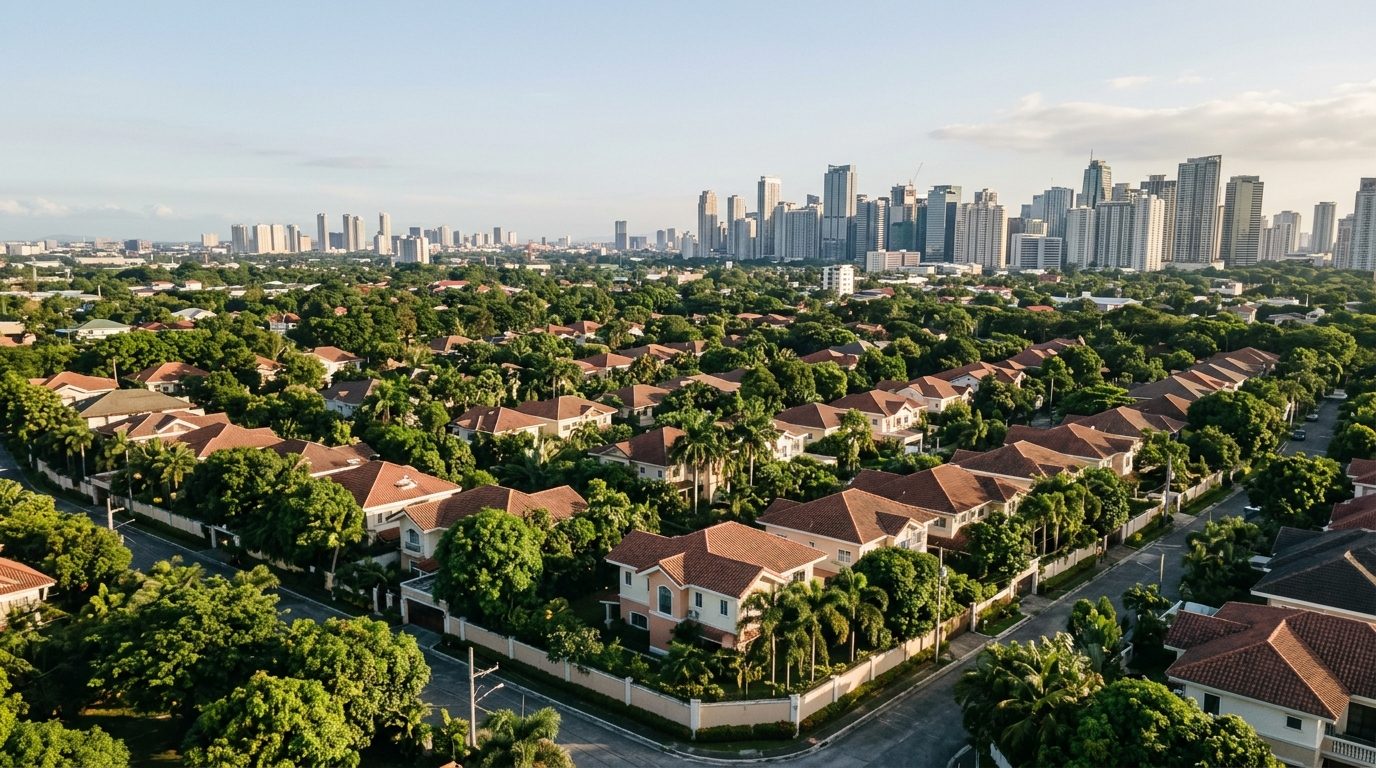
Parañaque and the southern corridor take the next group. Nord Anglia International School Manila is at Aseana City, and German European School Manila shares the Eurocampus with the French section. Further south, Brent International School Manila and The Beacon Academy are in Biñan, Laguna rather than Metro Manila proper, and Woodrose and Southville serve the Alabang and Las Piñas side.
Quezon City and the north lean towards Filipino private schools with an international programme attached, such as Ateneo de Manila, alongside Multiple Intelligence International School. Makati itself has fewer campuses than its reputation suggests, Assumption College San Lorenzo being the best known, because land economics pushed the large campuses out to Taguig and Parañaque.
What are the published 2026/27 fees?
Annual tuition from each school's own 2026/27 schedule, checked September 2026. Where a school bills in two currencies, both components are payable.
| School | Area | Curriculum | Youngest year | Final year |
|---|---|---|---|---|
| International School Manila | BGC, Taguig | American and IB Diploma | US$9,720 plus ₱306,400 | US$19,660 plus ₱623,800 |
| Nord Anglia International School Manila | Parañaque | English National Curriculum | ₱529,072 | ₱1,824,389 |
| Chinese International School Manila | BGC, Taguig | IB | ₱684,700 | ₱1,124,300 |
| Brent International School Manila | Biñan, Laguna | American and IB Diploma | US$3,584 plus ₱164,120 | US$9,680 plus ₱444,496 |
| German European School Manila | Parañaque | German and IB | €2,710 plus ₱245,000 | €7,520 plus ₱683,000 |
Capital charges sit on top and are substantial. Nord Anglia adds a Capital Development Fee of ₱197,999 a year at every year group, so the Year 13 bill before lunch is more than ₱2 million. Brent charges a yearly Capital Development Fee of US$1,575 and a one-time matriculation fee of US$3,000, both non-refundable. ISM charges a Matriculation Fee of US$4,500 and a Facilities Enhancement Fee of US$4,500 for all students entering Kindergarten and all new entrants to Grades 1 to 12, plus US$700 to apply. GESM is unusual in taking a refundable deposit, ₱130,000, alongside a ₱150,000 entrance fee. CISM folds a fully refundable ₱150,000 into its published tuition. The mechanics behind these line items are set out in international school fees explained.
How do DepEd rules apply to international schools?
The governing text is the 2010 Revised Manual of Regulations for Private Schools in Basic Education, issued as DepEd Order No. 88, s. 2010. Section 45 states that a foreign or international school "may be established in the Philippines for foreign diplomatic personnel and their dependents and, unless otherwise provided by law, for other foreign temporary residents". Section 46 reserves the words "Foreign" and "International", and the name of a foreign country, to schools established on that basis. Section 47 is the one that matters most in practice: such a school may be permitted "to use the school calendar and curricular program in basic education of a foreign country subject to limitations or regulations that the Secretary may impose".
Filipino children are not excluded, but they are conditioned. Section 49 allows a foreign or international school to accept Filipino students provided the group "shall not comprise more than the limit to be set by the Department", and provided "the study of the Philippine Constitution shall be part of the Curricula for Filipino students in such schools", along with duties to inculcate Filipino patriotism and nationalism and to teach the rights and duties of Philippine citizenship. That is why an international school in Manila teaches a Philippine civics component its sister school in Bangkok does not.
Ownership is constitutional rather than administrative. Article XIV, Section 4(2) of the 1987 Constitution requires educational institutions to be owned by Filipino citizens or by corporations at least 60% Filipino-owned, and caps aliens at one third of enrolment in any school, but it then disapplies the whole subsection to "schools established for foreign diplomatic personnel and their dependents and, unless otherwise provided by law, for other foreign temporary residents". Religious groups and mission boards are exempt from the ownership rule separately.
What is the difference from a private Filipino school?
A DepEd-recognised private Filipino school runs the K to 12 basic education curriculum, including the Senior High School tracks, and its graduates hold a Philippine secondary diploma. An international school operating under Section 47 runs a foreign curriculum and calendar instead, and its students leave with an IB Diploma, an American high school diploma or A Levels. Schools such as De La Salle Santiago Zobel sit in the first group while offering international programmes alongside; the comparison in Cambridge versus IB covers what the exit qualifications actually mean.
Fees are regulated in both groups. Section 181 of the same manual requires any private school wanting to revise tuition to apply to the Regional Director with an itemised statement, audited financial statements and its last tax return. Section 182 sets the conditions: consultation with the student government and parents, and no approval "unless seventy (70%) per centum of the proceeds is allocated for increase in salaries or wages of the members of the faculty and all other employees". A school that has not yet published 2026/27 rates is often waiting on that approval. Check accreditation too, because it is what carries a foreign diploma abroad; how accreditation works explains the bodies involved.
Frequently asked questions
- How much are international schools in Manila in 2026/27?
- Published 2026/27 annual tuition ranges from ₱529,072 for Pre-Nursery at Nord Anglia International School Manila to ₱1,824,389 for Year 13 at the same school. International School Manila charges US$9,720 plus ₱306,400 at preschool and US$19,660 plus ₱623,800 in Grades 11 and 12. Chinese International School Manila runs from ₱684,700 to ₱1,124,300. Capital development fees and one-time matriculation fees are charged on top.
- Can Filipino citizens enrol in an international school in the Philippines?
- Yes, subject to conditions. Section 49 of DepEd Order No. 88, s. 2010 allows a foreign or international school to accept Filipino students provided that the group does not exceed the limit set by the Department, and that the study of the Philippine Constitution forms part of the curriculum for those Filipino students. The school must also inculcate Filipino patriotism and nationalism and teach the rights and duties of Philippine citizenship.
- What is the difference between an international school and a private Filipino school?
- A private Filipino school follows DepEd's K to 12 basic education curriculum, including the Senior High School tracks, and issues a Philippine secondary diploma. An international school established under Section 47 of DepEd Order No. 88, s. 2010 may instead use the school calendar and curricular programme of a foreign country, subject to limitations the Secretary imposes, so its students leave with an IB Diploma, an American diploma or A Levels.
- Which areas of Metro Manila have the most international schools?
- Bonifacio Global City and the rest of Taguig hold the largest cluster, including International School Manila, British School Manila, Chinese International School Manila and Everest Academy. Parañaque has Nord Anglia International School Manila at Aseana City and the German European School Manila at the Eurocampus. Alabang and Las Piñas serve the southern suburbs, and Brent and The Beacon Academy are in Biñan, Laguna rather than Metro Manila itself.
- Can a school in the Philippines raise its fees whenever it likes?
- No. Section 181 of the 2010 Revised Manual of Regulations for Private Schools requires a school that wants to revise tuition to apply to the Regional Director with an itemised statement of current and proposed rates, an audited financial statement and its last tax return. Section 182 requires consultation with the duly organised student government and with parents, and blocks approval unless 70 per cent of the proceeds go to staff salaries and wages.
- Who is an international school in the Philippines allowed to serve?
- Section 45 of DepEd Order No. 88, s. 2010 provides that a foreign or international school may be established in the Philippines for foreign diplomatic personnel and their dependents and, unless otherwise provided by law, for other foreign temporary residents. Section 46 reserves the words Foreign and International, and the name of a foreign country, to schools set up on that basis. Section 48 adds that a foreign temporary resident needs a student visa from the Bureau of Immigration.
- Do international schools in Manila charge in pesos or dollars?
- Several charge in both, and both components are payable. International School Manila and Brent International School Manila publish a US dollar figure plus a peso figure for the same year group. German European School Manila publishes a euro figure plus a peso figure. Nord Anglia International School Manila and Chinese International School Manila publish entirely in pesos. Budget for exchange-rate movement where part of the bill is in a foreign currency.