Secondary Schools in Barbados Compared: Queen's College, Harrison College, Combermere, The Lodge School and Foundation
Quick Answer: Barbados places every child in one of 21 government secondary schools through the 11-plus, and four schools, Harrison College, Queen's College, Combermere and The St Michael School, take most first choices. Here is how the system works and how the historic schools compare.
Barbados places every eleven-year-old in one of 21 government secondary schools through the Barbados Secondary Schools' Entrance Examination, the 11-plus, and about 80% of parents put the same four schools first: Harrison College, Queen's College, Combermere and The St Michael School. This guide explains how allocation works, then compares the five historic schools families ask about most, Queen's College, Harrison College, Combermere, The Lodge School and Christ Church Foundation School, using the Ministry of Education's own school profiles. The full list of schools on the island is on our Barbados page.
How does secondary school allocation work?
The Ministry of Education's Common Entrance booklet sets out the system. Children who are 11 but under 12 on 1 September sit the BSSEE in May: English and mathematics papers plus a composition, over about four hours. Parents choose two open choices from any school on the island and up to seven from the schools in the zone where the child lives. The island is divided into three zones (Zone 1 the north and west, Zone 2 the centre and St Michael, Zone 3 St John, St Philip and Christ Church), and a school chosen as an open choice must be placed first or second on the form. Allocation runs down the preference list by exam mark, and the booklet is explicit: there is no reallocation. A separate route places pupils who scored 85% or more in English and mathematics in the previous six school entrance examinations.
In January 2024 the Ministry's senior education officer told parents that the same four schools appeared at the top of most forms and that universal placement there was not possible; the advice was to rank schools by fit and commute, not reputation (Barbados Today). The government has said it intends to replace the exam with a hybrid assessment by 2028.
How do the historic schools compare?
| School | Founded | Location and zone | Roll (Ministry profile) | Notes |
|---|---|---|---|---|
| Harrison College | 1733 | Crumpton Street, Bridgetown; Zone 2 | 1,052, co-educational since 1980 | The most selective, with the strongest sixth form; sciences, business and languages to CAPE |
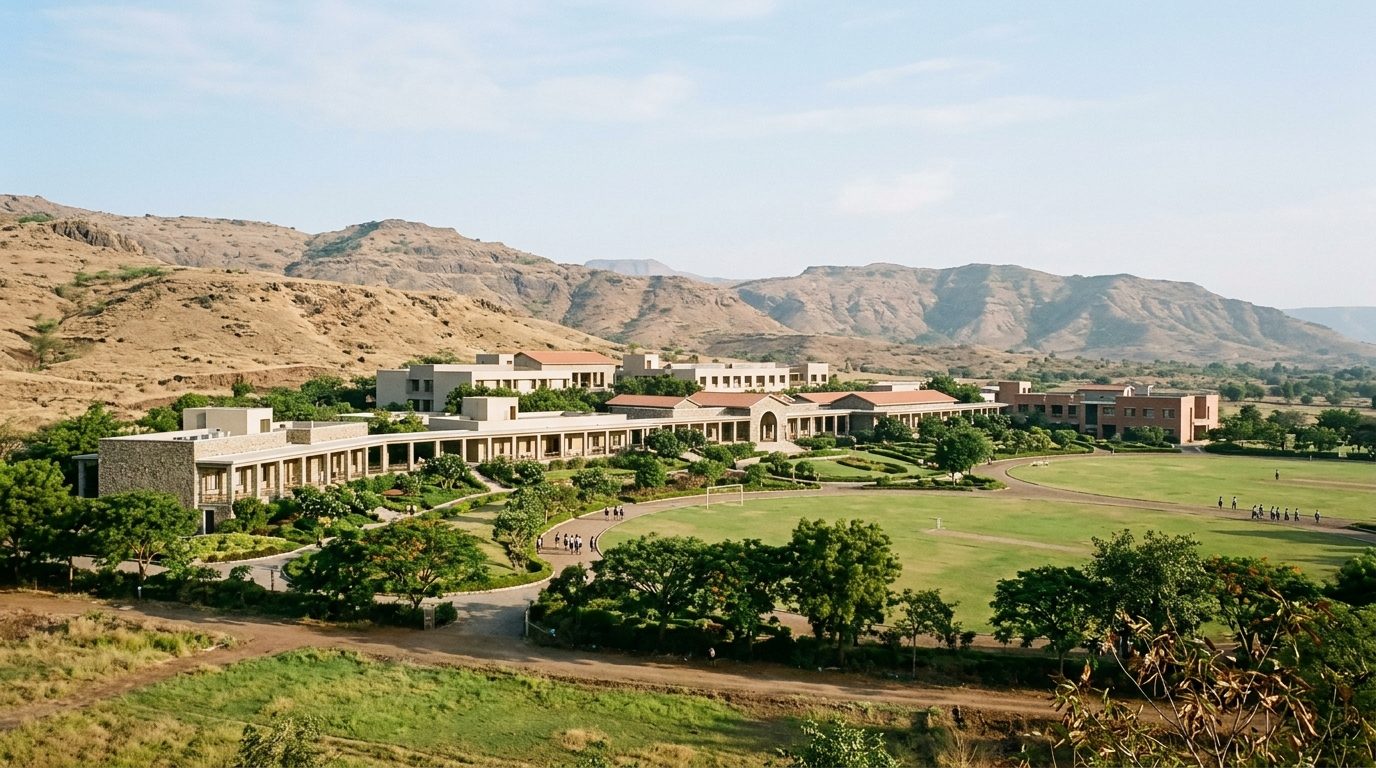
| Queen's College | 1883 (present form) | Husbands, St James; Zone 1 | 1,029, co-educational | Purpose-built campus on the west coast; about 95% of graduates go on to university in the region, the UK, Canada and the US |
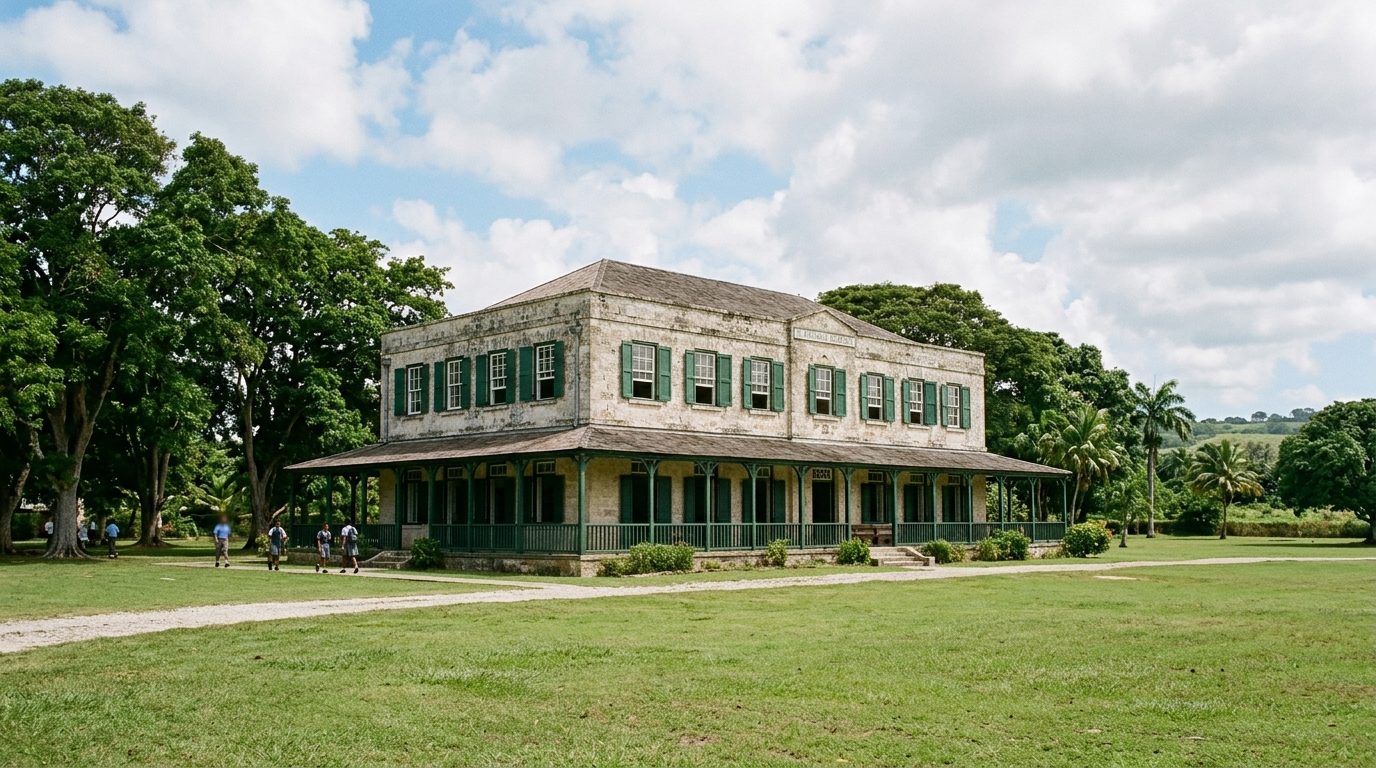
| Combermere School | 1695 | Waterford, St Michael; Zone 2 | 1,094, co-educational | The island's oldest secondary school by foundation; strong alumni network with branches in New York, Toronto and the UK |
| The Lodge School | 1745 | Society, St John; Zone 3 | Smaller roll; co-educational | Rural east-coast grammar school; broad CSEC list including tourism, theatre arts and computer science |
| Christ Church Foundation School | 1809 | Church Hill, Christ Church; Zone 3 | 1,150, co-educational since 1978 | The largest of the five; business, technical and home economics streams alongside academic CSEC and CAPE |
Rolls, founding dates and staffing are from the Ministry's school profiles in the Common Entrance booklet (2022 edition, the latest published). All five are government schools: tuition is free for Barbadian students, and families pay for uniforms, books, transport and CXC exam entries.
What do they teach?
All 21 government secondary schools follow the national curriculum to the Caribbean Examinations Council's CSEC at 16 and, at schools with sixth forms, CAPE at 18. CSEC is the regional equivalent of IGCSE and CAPE of A Levels; both are accepted by the University of the West Indies and by UK, Canadian and US universities. The Ministry profiles list each school's subjects: Harrison College and Queen's College offer the fullest academic lists to CAPE, Foundation adds technical and business streams, and The Lodge School lists tourism, theatre arts and computer science among its CSEC options. Sixth-form places are allocated on CSEC results.
Which school should you put first?
- Zone decides more than reputation. Only two choices can be outside your zone, and they must be first or second. A family in Christ Church listing Harrison College first is using an open choice on a school where competition is fiercest.
- Commute. Bridgetown and St Michael schools are central; Queen's College on the west coast and The Lodge School in St John are long drives from the south.
- Sixth form. If the goal is CAPE and university, prefer a school with an established sixth form rather than planning a transfer at 16.
- Fit. The Ministry's own advice: rank by the child's needs. A large school with 30 CSEC subjects suits some children; a smaller school with a strong pastoral system suits others.
What are the private alternatives?
Families who want to avoid the exam or want an international curriculum have three main options: The Codrington School (IB, St John), The International School of Barbados and Lockerbie College. All charge fees, and places are by application rather than allocation. The Barbados Community College provides the main post-secondary route for CAPE and associate degrees. Compare all Barbados schools on our Barbados directory.
Frequently asked questions
- How are children allocated to secondary schools in Barbados?
- Through the Barbados Secondary Schools' Entrance Examination, the 11-plus, sat in May by children who are 11 but under 12 on 1 September. Parents list up to nine preferences: two open choices from anywhere on the island and up to seven from the zone in which the child lives. Places are allocated by exam mark against the preferences, with no reallocation afterwards.
- Which are the top secondary schools in Barbados?
- By parental demand, Harrison College, Queen's College, Combermere and The St Michael School: the Ministry of Education said in 2024 that about 80% of parents put the same four schools first. The Lodge School and Christ Church Foundation School are the other long-established grammar-tradition schools, both founded in the 18th and early 19th centuries.
- What is the difference between Harrison College and Queen's College?
- Both are co-educational government secondary schools with strong CSEC and CAPE results and university placement. Harrison College, founded in 1733, is in Bridgetown and had a roll of about 1,050 in the Ministry's last published profile; Queen's College, founded in its present form in 1883, is at Husbands in St James with a roll of about 1,030. Choice usually comes down to zone, commute and family history.
- What do students study in Barbados secondary schools?
- The Caribbean Examinations Council's CSEC at 16 (the equivalent of IGCSE) and CAPE at 18 (the equivalent of A Levels), across sciences, humanities, languages, business, technical and creative subjects. The larger schools offer 30 or more CSEC subjects and CAPE in most of them; sixth forms are at the traditional schools.
- Are the government secondary schools free?
- Tuition is free for Barbadian students at all 21 government secondary schools. Families pay for uniforms, books, transport and exam fees. Private secondary schools, such as Codrington School (IB), The International School of Barbados and Lockerbie College, charge fees.
- Is the 11-plus changing?
- The Ministry of Educational Transformation has said it plans to replace the exam with a hybrid assessment system by 2028. For 2026 and 2027 the BSSEE and the preference-and-zone allocation still apply.